Sign In
+1 (650) 257-0965
Masterworks Fine Art
  • Artists
  • New Arrivals
  • News
  • About Us
  • Sell
  • Contact
  • Picasso Ceramics
  1. Buy Originals
  2. Pablo Picasso
  3. $51-75k
Pablo Picasso

Pablo Picasso $51-75k

Follow +

Fine art from $51k to $75k for sale. Your acquisition comes with our Certificate of Authenticity, museum-archival framing, and historical documentation to preserve the value of your fine art.
  • Sell Pablo Picasso
  • Recent Sales
  • Pablo Picasso Biography
Filters
Available
View All
All Art (127)
Lithographs (11)
Etchings (5)
Linocuts (15)
Drypoints (1)
Aquatints (9)
Drawings (2)
Paintings (37)
Engravings (0)
Ceramics (93)
Jewelry (0)
Gold (1)
Collotypes (4)
Tapestries (0)
Glass (0)
All Art (127)
Blue Period (1)
Rose Period (0)
Vollard Suite, 1933 (1)
Jacqueline (5)
Service Poisson (2)
Dora Maar (2)
Sort: Newly Featured
  • Newly Featured
  • Price: Highest first
  • Price: Lowest first
  • Newest first
  • Only Sold
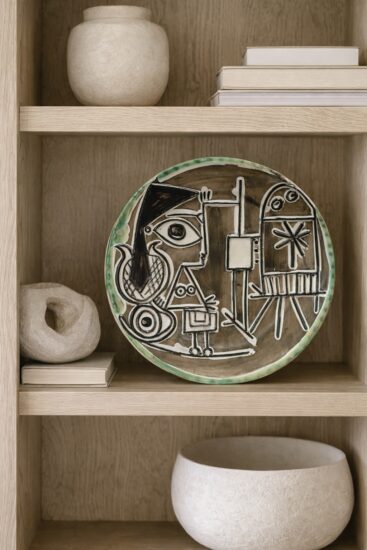
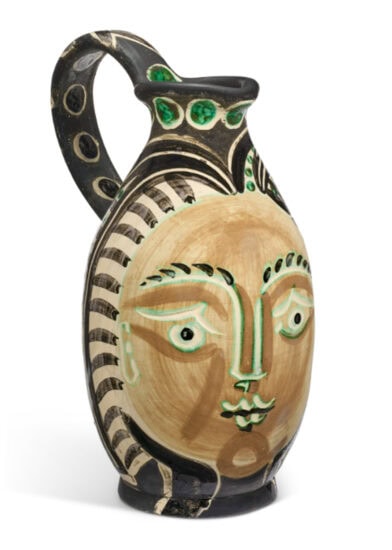
Pablo Picasso Ceramic, Visage et Hibou (Face and Owl),1958
Pablo Picasso Ceramic for sale
Visage et Hibou (Face and Owl),1958
ID # w-5436 $84,000
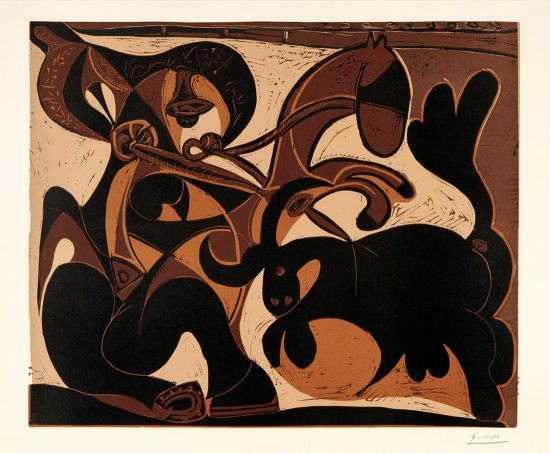
Pablo Picasso Linocut, Corrida (Bullfight)
Pablo Picasso Linocut
Corrida (Bullfight)
ID # w-8374 Sold
Pablo Picasso Ceramic, Femme de Barbu (Bearded Man's Wife) 1953
Pablo Picasso Ceramic for sale
Femme de Barbu (Bearded Man's Wife) 1953
ID # w-7217 Sold

Related Artists

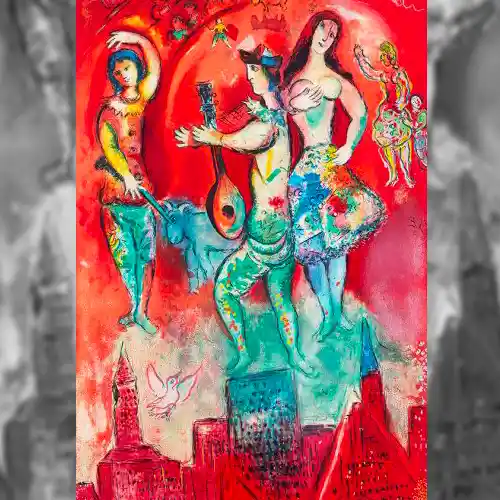
Marc Chagall

Marc Chagall

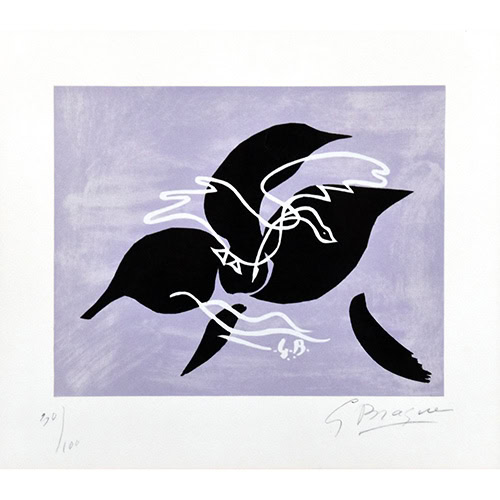
Georges Braque

Georges Braque

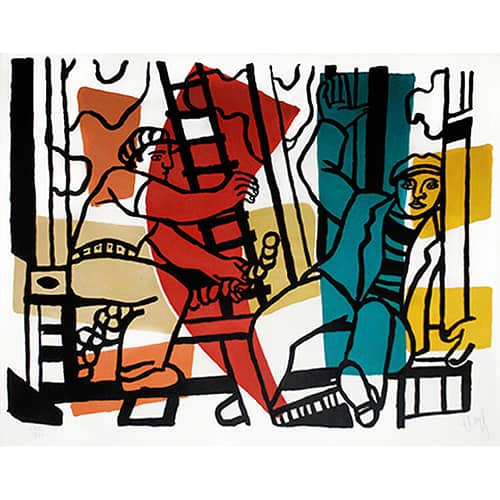
Fernand Léger artist

Fernand Léger

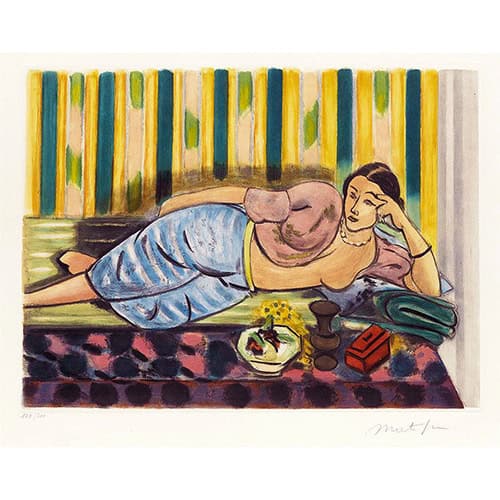
Henri Matisse

Henri Matisse Lithographs & Etchings

Joan Miró

Joan Miró Lithographs

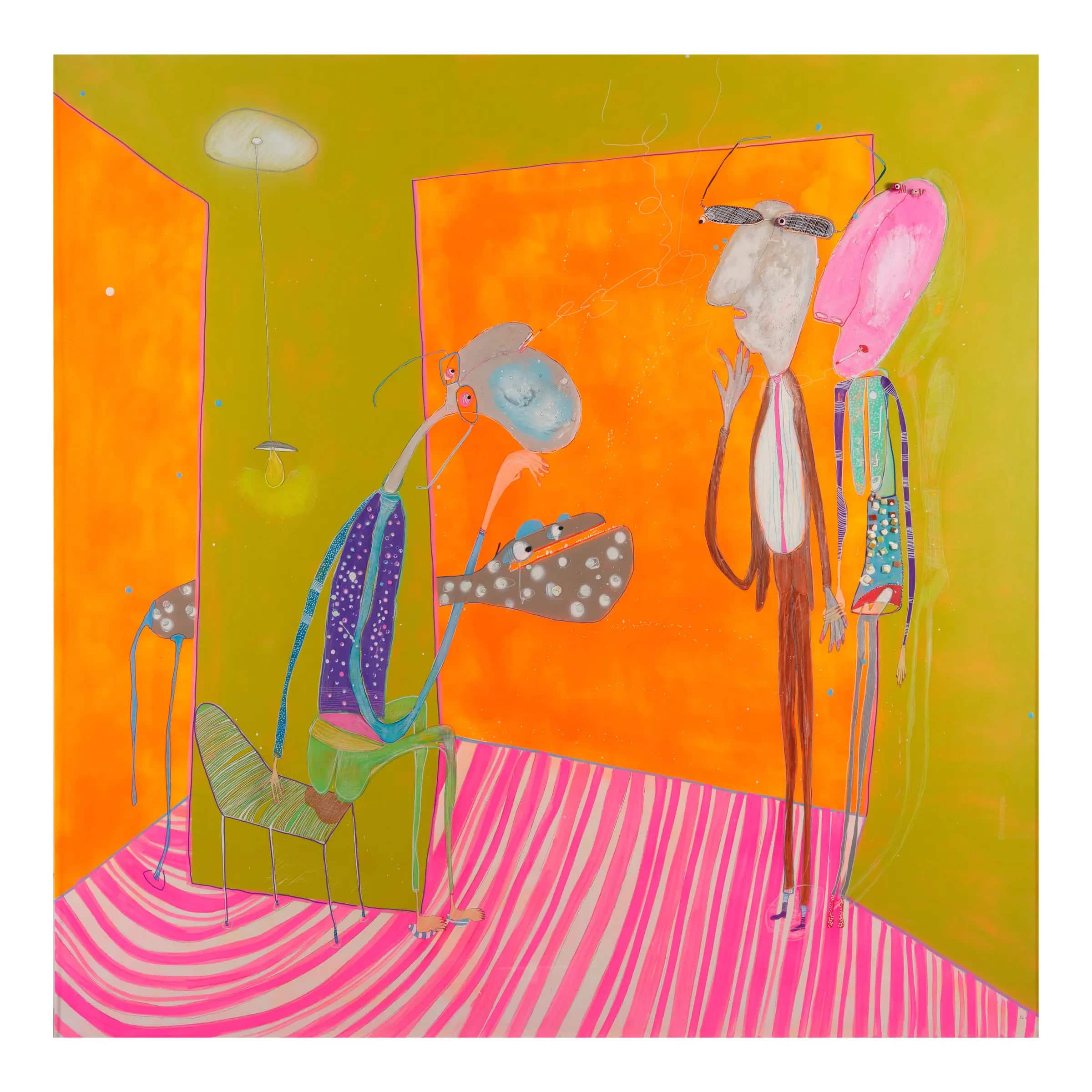
Rafa Macarrón

Rafa Macarrón

Buy Original Pablo Picasso Signed and Edition Numbered Artwork For Sale

Pablo Picasso revolutionized the art world and to many is THE artist of the 20th century. He is famous for his role in pioneering Cubism with Georges Braque and for his melancholy Blue Period pieces. Original signed Picasso lithographs and prints are a sure investment. Madoura Picasso ceramics are highly collectible in their own right.

Genres: Modern Masters Cubism Still Life Portraiture Mythology Nude Pre-World War II School of Paris Modern Art

Have one to sell? Sell Pablo Picasso fine art with us

Sell Pablo Picasso artwork with us. We specialize in buying and selling original hand-signed numbered edition prints. We will research its value and popularity for you.

Related News

Sell Andy Warhol
Jul 23
Sell Andy Warhol
What is the Value of a Picasso Lithograph?
Aug 5
What is the Value of a Picasso Lithograph?
What is the value of a Picasso ceramic?
Jul 9
What is the value of a Picasso ceramic?
Masterworks: Invest in Art
May 6
Masterworks: Invest in Art
Picasso Ceramics Market Trends: Prices, Demand & Auction Results (2026 Update)
Jan 22
Picasso Ceramics Market Trends: Prices, Demand & Auction Results (2026 Update)
Pablo Picasso and Cubism
Oct 31
Pablo Picasso and Cubism
Pablo Picasso’s Blue Period (1901-1904)
Jun 7
Pablo Picasso’s Blue Period (1901-1904)

Pablo Picasso Biography

Pablo Picasso
Pablo Picasso artist

“Yet Cubism and Modern art weren’t either scientific or intellectual; they were visual and came from the eye and mind of one of the greatest geniuses in art history.”

As one of the most influential Modern artists of the 20th century, Pablo Picasso is renowned as a legendary artistic master to this day. Born on October 25, 1881 in Malaga, Spain, Pablo Picasso was a child prodigy who was recognized as such by his art-teacher father, who ably led him along. The small Museo de Picasso in Barcelona is devoted primarily to his early works, which include strikingly realistic renderings of casts of ancient sculpture.

Picasso was a rebel from the start and, as a teenager, began to frequent the Barcelona cafes where intellectuals gathered. He soon went to Paris, the capital of art, and soaked up the works of Edouard Manet, Gustave Courbet, and Henri de Toulouse-Lautrec, whose sketchy style impressed him greatly. Then it was back to Spain, a return to France, and again back to Spain – all in the years 1899 to 1904.

Before he struck upon Cubism, Picasso's artwork went through a prodigious number of styles – realism, caricature, the Blue Period, and the Rose Period.

These distinguished styles are apparent in the unique original works as well as Picasso ceramics, lithographs, linocuts, and etchings that he created later in his life.

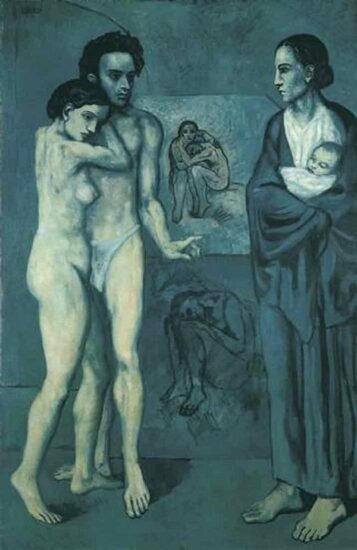
The Blue Period dates from 1901 to 1904 and is characterized by a predominantly blue palette and focuses on outcasts, beggars, and prostitutes. This was when he also produced his first sculptures. The most poignant work of the style, La Vie (1903), currently located in Cleveland’s Museum of Art, was created in memory of his childhood friend, the Spanish poet Carlos Casagemas, who had committed suicide. The painting started as a self-portrait, but Picasso’s features became those of his lost friend. The composition is stilted, the space compressed, the gestures stiff, and the tones predominantly blue.

The Rose Period began around 1904 when Picasso’s palette brightened and is dominated by pinks and beiges, light blues, and roses. His subjects are saltimbanques (circus people), harlequins, and clowns, all of whom seem to be mute and strangely inactive. One of the premier artworks of this period is Family of Saltimbanques (1905), currently in Washington, D.C. at the National Gallery, which portrays a group of circus workers who appear alienated and incapable of communicating with each other, set in a one-dimensional space.

In 1905, Picasso went briefly to Holland, and on his return to Paris, his works took on a classical aura with large male and female figures seen frontally or in distinct profile, as in early Greek art. One of the best examples of this style is in the Albright-Knox Gallery in Buffalo, NY, La Toilette (1906). Several pieces in this new, classical style were purchased by Gertrude Stein (the art patron and writer) and her brother, Leo Stein.

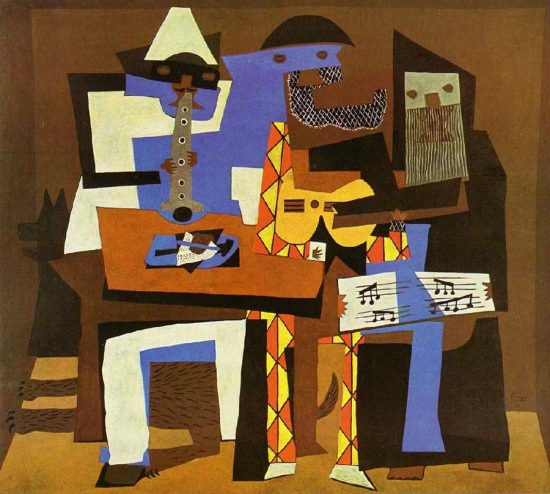
With his groundbreaking 1907 painting Les Demoiselles d’Avignon, Picasso, along with Georges Braque, developed a revolutionary style of modern art that was formed in response to the rapidly changing modern world: Cubism. He simplified and distorted figures and objects into geometric planes, often including elements of text and collage in his works.

Picasso enjoyed creating his art in many different artistic mediums throughout his life and, in due time, became a master in each medium.

From Picasso ceramics to paintings to lithographs, etchings, and linocuts, all of his works are a testament to his artistic skills. There are even hand signed Picasso prints that are worth more than unique original works.

For the authentication of Picasso oil paintings and works on canvas, the recognized authority is the Picasso Administration, representing the artist’s heirs and family. All formal expertise and certificates of authenticity are issued exclusively through this body. For submission guidelines, documentation requirements, and further information, you may contact them directly at their official site: https://www.picasso-authentification.fr/

Pablo Picasso Ceramics

Pablo Picasso's ceramics represent one of the most innovative and influential chapters of his extraordinary artistic career.

Often referred to as Picasso pottery. Created between 1947 and 1971 in collaboration with the renowned Madoura Pottery workshop in Vallauris, France, these ceramic works transformed traditional plates, pitchers, vases, plaques, and sculptural forms into original works of modern art under Picasso's artistic vision.

Today, Picasso ceramics are celebrated in major museum collections and sought after by collectors worldwide for their artistic significance, historical importance, and enduring appeal. Whether you are looking to buy Picasso ceramics, research their history, learn about authentication, or sell Picasso ceramics, understanding how these remarkable works were created provides valuable insight into one of the artist's most inventive periods. From unique one-of-a-kind creations to authorized Madoura edition ceramics documented in the Alain Ramié catalogue raisonné, Picasso's ceramic works continue to attract seasoned collectors and first-time buyers alike.

Masterworks Fine Art specializes in original Picasso ceramics for sale, offering a carefully curated selection of authentic plates, pitchers, vases, plaques, and sculptural works. Explore our current inventory below, then continue reading to discover why Picasso embraced ceramics, how his collaboration with Madoura Pottery revolutionized modern ceramic art, what distinguishes unique works from edition ceramics, and why these extraordinary creations remain among the most desirable works in the international art market.

Picasso Ceramics at a Glance

  • Created: 1947–1971
  • Workshop: Madoura Pottery, Vallauris, France
  • Original Models: More than 600
  • Medium: Earthenware ceramics with colored slips, oxides, glazes, and enamels
  • Catalogue Raisonné: Alain Ramié
  • Common Subjects: Faces, Bulls, Owls, Fish, Goats, Birds, Fauns, Mythology, Corridas, and Mediterranean scenes
  • Production: Unique works and authorized edition ceramics
  • Museum Collections: MoMA, The Metropolitan Museum of Art, Musée Picasso Paris, and museums worldwide
  • Why Collectors Love Them: Original works by Pablo Picasso that combine sculpture, painting, and ceramics in a single medium.

Why Picasso began making ceramics

When Pablo Picasso discovered the Madoura pottery workshop in Vallauris in 1946, he was already one of the world's most celebrated artists. Yet rather than resting on his achievements, he embraced ceramics as an entirely new artistic challenge.

Working with clay allowed Picasso to move beyond the flat surface of painting and printmaking, transforming everyday plates, pitchers, and vases into expressive works of art.

Over the next twenty-five years, Picasso created more than 600 ceramic models, experimenting with form, color, engraving, and glazing. His ceramics became one of the most innovative chapters of his career and helped elevate pottery from a functional craft to a respected form of modern fine art. Learn more: How Did Picasso Make His Ceramics?

Why Vallauris was important

When Pablo Picasso arrived in Vallauris in 1946, he discovered a town with a centuries-old tradition of pottery making. Known for its skilled artisans, abundant local clay, and thriving ceramic workshops, Vallauris provided the ideal environment for Picasso to explore an entirely new artistic medium. At the Madoura pottery studio, he began collaborating with Georges and Suzanne Ramié, whose technical expertise allowed him to transform his bold ideas into ceramic works of extraordinary originality.

Vallauris quickly became far more than a place to work—it became the center of Picasso's artistic experimentation. Between 1948 and 1955, while living in the town, he created hundreds of ceramic designs alongside paintings, sculptures, linocuts, and public artworks. The creative freedom he found in Vallauris enabled him to reinvent traditional pottery, elevating ceramics from functional objects into celebrated works of modern art. Today, Vallauris remains inseparable from Picasso's ceramic legacy and is recognized as the birthplace of one of the most innovative chapters of his career. Learn more: Pablo Picasso in Vallauris: A Place for Invention, Linocuts, Ceramics, and Love.

Why collectors value Picasso ceramics

Picasso ceramics hold a unique place in the art market because they combine the creativity of one of history's greatest artists with the craftsmanship of the renowned Madoura Pottery in Vallauris. Unlike paintings that often command millions of dollars, Picasso ceramics offer collectors the opportunity to own an original work conceived by the artist at a more accessible price point. Each ceramic reflects Picasso's extraordinary imagination, transforming everyday forms such as plates, pitchers, vases, and plaques into expressive works of art featuring faces, animals, mythology, and Mediterranean life. Many pieces were produced in limited editions under Picasso's direct supervision, while subtle variations in glazing and hand-finishing make every example unique. Their historical importance, artistic innovation, museum recognition, and enduring international demand have made Picasso ceramics one of the most sought-after categories of twentieth-century art for both seasoned collectors and those beginning a Picasso collection. Learn More: Discover our Beginner's Guide to Buying Picasso Ceramics to learn about authenticity, editions, condition, value, and what to look for when starting or expanding your collection.

Depending on rarity, condition, subject, and edition size, Picasso ceramics range from approachable collector pieces to exceptional museum-quality works that command significant prices at auction.

Pablo Picasso Ceramics for Sale
Masterworks Fine Art offers a carefully curated selection of authentic Pablo Picasso ceramics, including plates, pitchers, vases, plaques, and sculptural works created at Madoura Pottery. Whether you're purchasing your first Picasso ceramic or expanding an established collection, our inventory includes museum-quality examples backed by decades of expertise and authenticity.

Sell Pablo Picasso Ceramics
Whether you are selling a single Picasso ceramic or an established collection, understanding authenticity, condition, rarity, provenance, and market demand is essential to achieving the strongest results. Factors such as the ceramic's form, subject matter, edition size, Madoura marks, condition, and inclusion in the Alain Ramié catalogue raisonné all influence its desirability and value. At Masterworks Fine Art, we have specialized in buying and selling museum-quality works by Pablo Picasso for more than 30 years, helping collectors evaluate, consign, and sell authentic Picasso ceramics with confidence. If you are considering selling a Picasso ceramic, learn more about our confidential evaluation process and discover how we help collectors maximize the value of their works.

→ Sell Picasso Ceramics

Museum Collections Featuring Pablo Picasso Ceramics

Pablo Picasso's ceramics are held in the permanent collections of many of the world's leading museums, reflecting their importance within both modern art and the history of twentieth-century ceramics. Institutions including the Musée Picasso Paris, The Metropolitan Museum of Art, The Museum of Modern Art (MoMA), The Art Institute of Chicago, The Smithsonian American Art Museum, and the Musée Magnelli – Musée de la Céramique in Vallauris preserve and exhibit Picasso's ceramic works alongside his paintings, sculptures, drawings, and prints.

These museum collections demonstrate that Picasso's ceramics are far more than decorative pottery—they are recognized as significant works of modern art that illustrate the artist's extraordinary creativity across multiple mediums. Their presence in major public institutions has also helped establish Picasso ceramics as one of the most respected and collectible categories within the international art market.

Whether displayed in museums or held in distinguished private collections, Picasso's ceramic works continue to captivate audiences through their imaginative forms, expressive decoration, and enduring artistic innovation.

Madoura Pottery

Madoura Pottery played a pivotal role in Pablo Picasso's ceramic career and remains synonymous with his most celebrated ceramic works. Located in Vallauris, France, the workshop was founded by Georges and Suzanne Ramié, who welcomed Picasso in 1946 and introduced him to the art of ceramics. Their collaboration transformed both the workshop and the history of modern ceramic art. At Madoura, Picasso experimented with plates, pitchers, vases, plaques, and sculptural forms, creating more than 600 original ceramic models. The Ramiés provided the technical expertise needed to produce Picasso's designs while preserving his artistic vision. Many of the ceramics were later issued as authorized editions, each bearing distinctive Madoura stamps and other identifying marks that are essential for authentication. Today, Madoura ceramics are highly sought after by collectors and museums for their artistic significance, craftsmanship, and direct connection to one of the twentieth century's greatest artists. Learn More: Explore our article, Madoura Pottery: The Workshop Behind Picasso's Ceramics, to discover the history of Picasso's collaboration with Georges and Suzanne Ramié and how Madoura became the birthplace of his ceramic revolution. Authentic Picasso ceramics are documented in the Alain Ramié catalogue raisonné.

How Picasso Ceramics Differ from Paintings and Prints

Pablo Picasso ceramics occupy a unique place within the artist's body of work, combining the qualities of painting, sculpture, and craftsmanship into a single object. Unlike paintings, which exist on a flat surface, ceramics are three-dimensional works that invite viewers to appreciate them from every angle. While Picasso's prints were produced through established printmaking techniques, each ceramic required shaping, decorating, glazing, and firing, making the creative process far more hands-on and unpredictable. Even authorized edition ceramics often display subtle differences in color, glaze, and surface due to the firing process and hand-finishing, giving each piece its own individual character. This combination of artistic innovation, sculptural form, and traditional ceramic craftsmanship makes Picasso ceramics unlike any other medium he explored. For many collectors, they represent one of the most intimate and inventive expressions of Picasso's extraordinary creativity. Learn More: Read our article, How Did Picasso Make His Ceramics?, to discover the creative process, techniques, and collaboration behind Picasso's remarkable ceramic works.

Unique works vs. edition ceramics

Understanding the difference between Picasso's unique ceramics and edition ceramics is essential for every collector. Unique ceramics are one-of-a-kind works that Picasso personally modeled, decorated, or transformed, making each piece entirely original. Edition ceramics were created from Picasso's original models at the Madoura Pottery in Vallauris and produced in limited editions under his direct supervision. While multiple examples of an edition exist, each ceramic was traditionally handcrafted, glazed, and fired, often resulting in subtle variations in color, texture, and finish that make every piece slightly different. Both unique works and edition ceramics are authentic Picasso creations and are documented in the Alain Ramié catalogue raisonné. Today, they are highly sought after by collectors and represented in major museum collections around the world. Understanding these distinctions helps collectors better evaluate authenticity, rarity, and value when building a Picasso ceramics collection. Learn More: Explore our Complete Guide to Picasso Unique Works vs. Edition Ceramics to learn how each type was created, how to identify them, and what makes both important to collectors.

Beyond his achievements as a painter and sculptor, Picasso's innovations in ceramics represent one of the defining chapters of twentieth-century art. Whether you are looking to buy Picasso ceramics, research their history, understand authentication, or sell a work from your collection, these remarkable creations continue to captivate museums, collectors, and art lovers around the world.

FAQ

Are Picasso ceramics originals?

Yes. Picasso ceramics are original works of art created by Pablo Picasso, although they exist in two distinct forms: unique ceramics and authorized edition ceramics. Unique works were individually modeled, decorated, or transformed by Picasso, making each piece completely one of a kind. Edition ceramics were produced from Picasso's original models at Madoura Pottery in Vallauris, France, under his direct supervision. While edition ceramics were created in limited numbers, each example was handcrafted, glazed, and fired, often resulting in subtle variations that make every ceramic unique. Both unique works and authorized editions are recognized as authentic Pablo Picasso ceramics and are documented in the Alain Ramié catalogue raisonné, making them highly sought after by collectors and museums worldwide.

How many Picasso ceramic models exist?

Between 1947 and 1971, Pablo Picasso created more than 600 original ceramic models during his collaboration with Madoura Pottery in Vallauris, France. These designs include plates, pitchers, vases, plaques, tiles, bowls, and sculptural forms inspired by themes such as faces, bulls, owls, fish, mythology, and Mediterranean life. Many of Picasso's original ceramic models were later produced as authorized limited edition ceramics under his direct supervision at Madoura, while others remained unique one-of-a-kind works. Today, these creations are documented in the Alain Ramié catalogue raisonné and are held in major museum collections around the world. The extraordinary variety and originality of these designs have established Picasso ceramics as one of the most significant and collectible bodies of work in twentieth-century art.

What is Madoura Pottery?

Madoura Pottery is the renowned ceramic workshop in Vallauris, France, where Pablo Picasso created his celebrated ceramic works between 1947 and 1971. Founded by Georges and Suzanne Ramié, Madoura became the center of Picasso's ceramic experimentation after he discovered the studio in 1946. Working closely with the Ramiés, Picasso transformed traditional pottery into original works of modern art, creating more than 600 ceramic models that included plates, pitchers, vases, plaques, and sculptural forms. Many of these designs were later produced as authorized edition ceramics under Picasso's direct supervision and are documented in the Alain Ramié catalogue raisonné. Today, Madoura Pottery is recognized as an essential part of Picasso's artistic legacy, and authentic Madoura ceramics are highly sought after by collectors, galleries, and museums around the world.

Are Picasso ceramics signed?

Yes, many authentic Picasso ceramics are signed, but the markings vary depending on the piece and how it was produced. Some Pablo Picasso ceramics bear Picasso's impressed, stamped, or incised signature, while others are identified by Madoura Pottery stamps, edition numbers, and additional workshop marks. These markings help establish authenticity and distinguish authorized Picasso edition ceramics from reproductions. However, no single signature or stamp alone is enough to authenticate a ceramic. Collectors should also consider the ceramic's form, glaze, dimensions, provenance, and inclusion in the Alain Ramié catalogue raisonné. Because authentic Picasso ceramics were produced in different ways over more than two decades, proper identification requires evaluating the piece as a whole rather than relying solely on its signature or markings.

Why are Picasso ceramics valuable?

Picasso ceramics are valuable because they combine the creativity of one of history's greatest artists with the craftsmanship of the renowned Madoura Pottery workshop in Vallauris, France. Created between 1947 and 1971, these original works showcase Picasso's ability to transform everyday plates, pitchers, vases, and sculptural forms into innovative works of modern art. Their value is influenced by several factors, including rarity, subject matter, condition, edition size, provenance, and inclusion in the Alain Ramié catalogue raisonné. In addition, Pablo Picasso ceramics are held in major museum collections worldwide, reinforcing their historical and artistic significance. As international demand continues to grow, authentic Picasso ceramics remain among the most sought-after and collectible works in the twentieth-century art market, appealing to both seasoned collectors and first-time buyers.

Continue Exploring Pablo Picasso Ceramics

Whether you're researching, collecting, buying, or selling Picasso ceramics, the guides below provide in-depth information on authentication, collecting, market trends, and the history behind Picasso's remarkable ceramic works.

Learn About Pablo Picasso Ceramics

Beginner's Guide to Buying Picasso Ceramics
How Did Picasso Make His Ceramics
Picasso Ceramic Marks & Stamps
Picasso in Vallauris
Value of Picasso Ceramics
Picasso Ceramics Market Trends

Buying & Selling

Picasso Ceramics for Sale

Buy Picasso Ceramics
Sell Picasso Ceramics


  • Sell Pablo Picasso
  • Recent Sales
  • Pablo Picasso Biography
  • Pablo Picasso Catalogue Raisonné

Explore Masterworks Fine Art

  • Home: Fine Art For Sale
  • Artists
  • Artists' Genres and Series
  • Pablo Picasso Ceramics
  • Masterworks: Invest in Art
  • Joan Miró Lithographs
  • Sell Andy Warhol
  • Biographies
  • About Masterworks Fine Art
  • Contact Us
  • Fine Art For Sale by Topic
  • Shopping Cart
  • How to Sell Fine Art
  • Art News
  • Careers
  • Press
  • Privacy Policy

About Us

Specializing in buying and selling hand-signed original fine art by Pablo Picasso, Marc Chagall, Joan Miró, Andy Warhol, Henri Matisse, and many others.

When you search for where to buy fine art online, you will find our expertly curated collection of high-end and affordable fine art and white-glove service with a price point to meet your needs. More About Us

Contact Us

  • info@masterworksfineart.com
  • 650-257-0965
  • Visit us on Facebook
  • Visit us on Instagram

© Masterworks Fine Art. All rights reserved. Privacy Policy. Masterworks Fine Art is located in Silicon Valley's Palo Alto of the San Francisco Bay Area, California, USA.

Your Shopping Cart
...