Contemporary fine art.
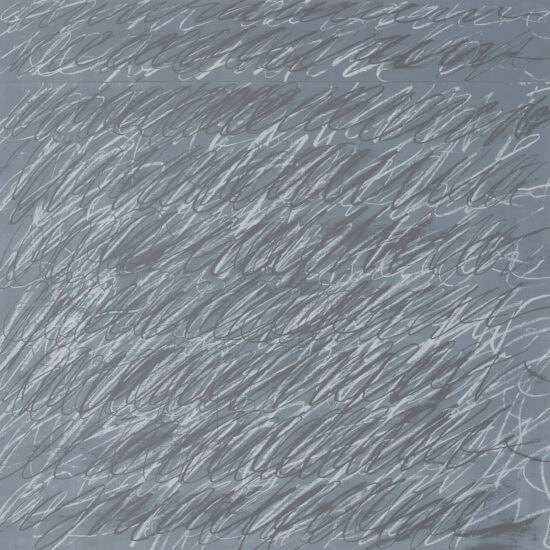
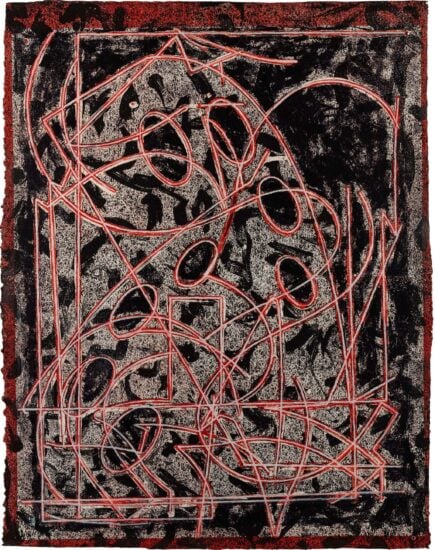
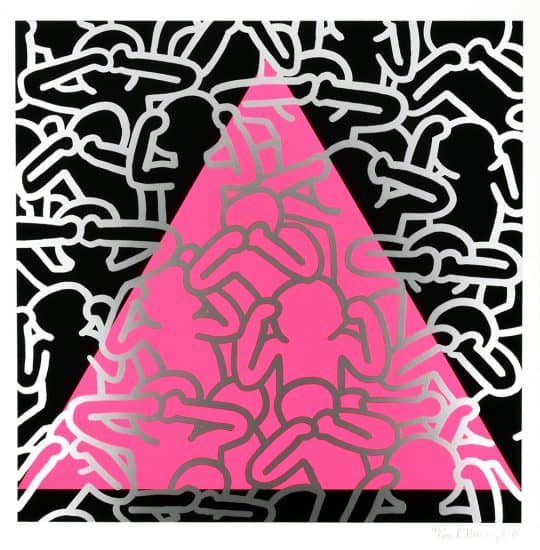
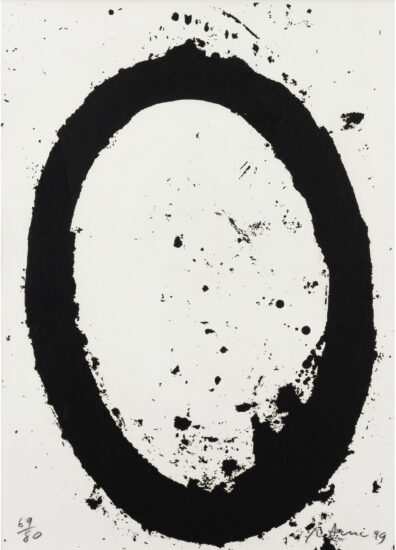

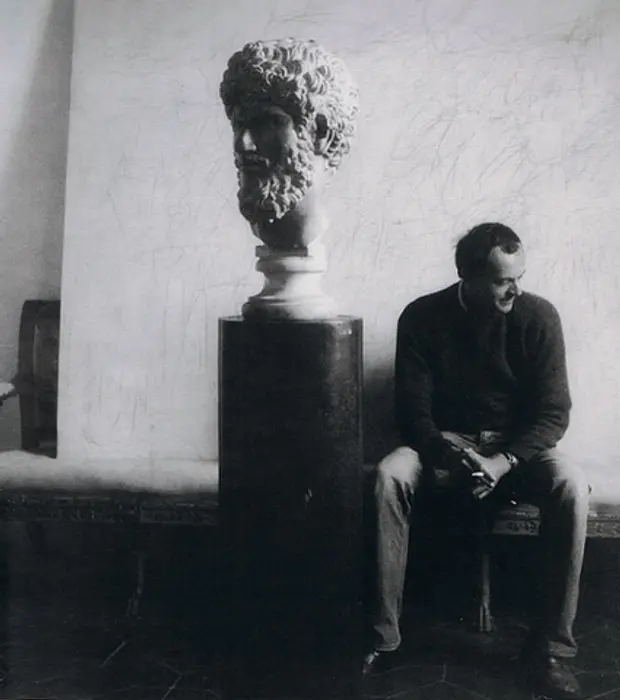
Cy Twombly (1928–2011) stands as one of the most influential and enigmatic figures of postwar American art. Born Edwin Parker Twombly Jr. in Lexington, Virginia, he adopted the childhood nickname “Cy,” inspired by the baseball pitcher Cy Young. From an early age Twombly gravitated toward drawing and classical literature—two elements that would later merge into the unmistakable visual language that defined his career.
Twombly’s formal artistic foundation began at the School of the Museum of Fine Arts, Boston, followed by the Art Students League in New York, where he briefly studied alongside Robert Rauschenberg. It was Rauschenberg who encouraged Twombly to attend Black Mountain College, a pivotal experience that placed him among the intellectual orbit of Josef Albers, Robert Motherwell, and Charles Olson. The interdisciplinary, avant-garde environment at Black Mountain profoundly shaped his approach to mark-making, rhythm, and the poetic dimensions of visual form.
In the early 1950s Twombly served in the U.S. Army as a cryptographer—an experience that sharpened his interest in coded writing and abstract systems. After traveling extensively in Europe and North Africa under the American Academy in Rome fellowship, he developed a lifelong connection to Italy, ultimately settling in Rome in 1957. The country’s classical ruins, mythology, and Mediterranean sensibility infused his work with historical resonance and sensuality.
Twombly’s mature style is defined by lyrical abstraction, calligraphic gestures, and painterly inscriptions that blur the boundaries between drawing and writing. His scrawled marks—sometimes appearing as chalkboard loops, obsessive repetitions, or erasures—evoke poetry, ancient myths, and emotional states rather than literal narratives. Works like the “Blackboard” series (mid-1960s), the monumental “Fifty Days at Iliam” (1978), and his late flower and rose cycles demonstrate his ability to balance spontaneity with classical rigor.
Throughout the 1960s and 70s, Twombly’s art was often misunderstood in the United States, where critics favored the precision of Minimalism and Pop Art. However, his reputation surged internationally, particularly in Europe, where his intellectual depth and expressive handwriting found acclaim. By the 1980s, he was celebrated as a master whose visual vocabulary integrated history, eros, memory, and myth in a uniquely contemporary voice.
Twombly received major retrospectives at institutions such as the Whitney Museum of American Art, the Museum of Modern Art, and the Tate Modern. In 2008, the Cy Twombly Gallery—a collaboration with the Menil Collection in Houston—cemented his legacy with a dedicated architectural space housing one of his most significant bodies of work.
Cy Twombly passed away in Rome in 2011, leaving behind a profound corpus that continues to influence generations of painters, poets, and thinkers. His art remains a testament to the power of gesture as language, and to the enduring dialogue between antiquity and the modern imagination.
Browse Cy Twombly Catalogue Raisonnés Online.
En español: Cy Twombly.
