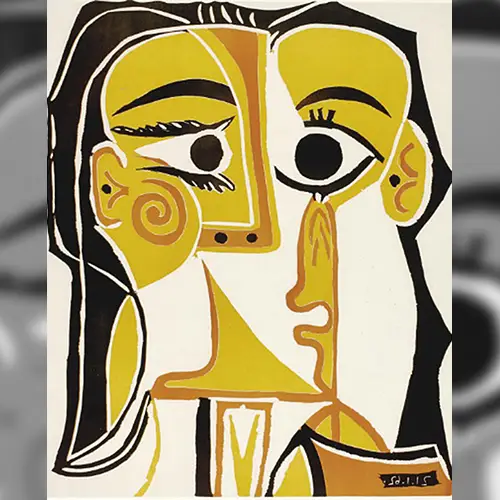
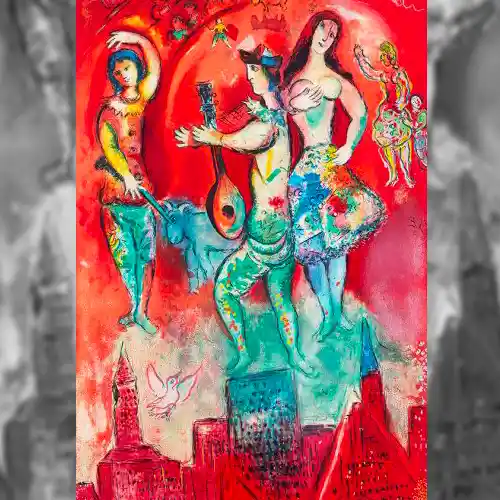
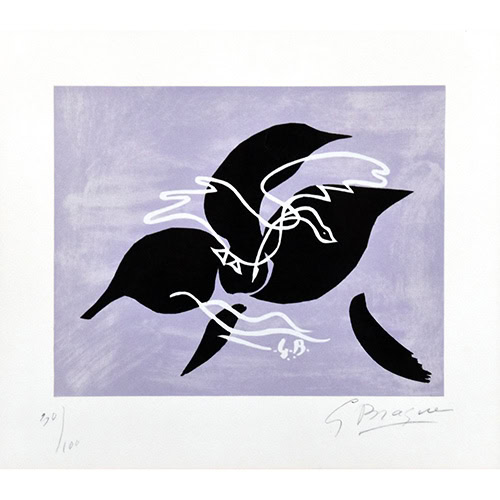
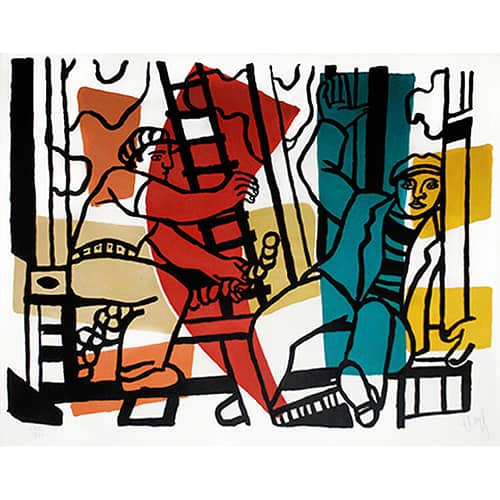
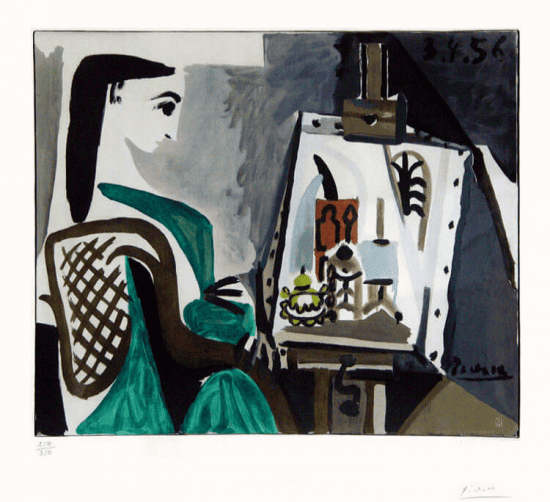
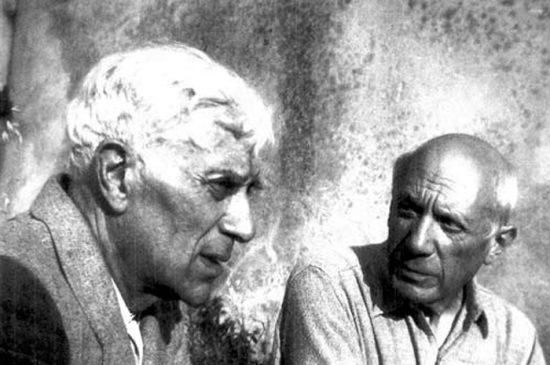
Pablo Picasso revolutionized modern art across an extraordinary range of mediums, including paintings, drawings, prints, sculptures and ceramics. Explore our collection of original Pablo Picasso works for sale, including signed lithographs, etchings, linocuts, limited-edition prints and Picasso ceramics created throughout his prolific career.
Buy Original Pablo Picasso Signed and Edition Numbered Artwork For Sale
Pablo Picasso revolutionized modern art across an extraordinary range of mediums, including paintings, drawings, prints, sculptures and ceramics. Explore our collection of original Pablo Picasso works for sale, including signed lithographs, etchings, linocuts, limited-edition prints and Picasso ceramics created throughout his prolific career.
Have one to sell? Sell Pablo Picasso fine art with us
Sell Pablo Picasso artwork with us. We specialize in buying and selling original hand-signed numbered edition prints. We will research its value and popularity for you.
“Yet Cubism and Modern art weren’t either scientific or intellectual; they were visual and came from the eye and mind of one of the greatest geniuses in art history.”
As one of the most influential Modern artists of the 20th century, Pablo Picasso is renowned as a legendary artistic master to this day. Born on October 25, 1881 in Malaga, Spain, Pablo Picasso was a child prodigy who was recognized as such by his art-teacher father, who ably led him along. The small Museo de Picasso in Barcelona is devoted primarily to his early works, which include strikingly realistic renderings of casts of ancient sculpture.
Picasso was a rebel from the start and, as a teenager, began to frequent the Barcelona cafes where intellectuals gathered. He soon went to Paris, the capital of art, and soaked up the works of Edouard Manet, Gustave Courbet, and Henri de Toulouse-Lautrec, whose sketchy style impressed him greatly. Then it was back to Spain, a return to France, and again back to Spain – all in the years 1899 to 1904.
Before he struck upon Cubism, Picasso's artwork went through a prodigious number of styles – realism, caricature, the Blue Period, and the Rose Period.
These distinguished styles are apparent in the unique original works as well as Picasso ceramics, lithographs, linocuts, and etchings that he created later in his life.
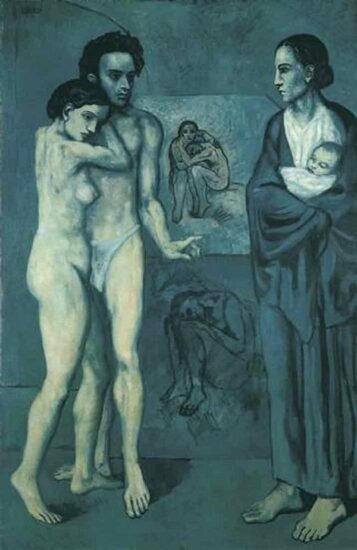
The Blue Period dates from 1901 to 1904 and is characterized by a predominantly blue palette and focuses on outcasts, beggars, and prostitutes. This was when he also produced his first sculptures. The most poignant work of the style, La Vie (1903), currently located in Cleveland’s Museum of Art, was created in memory of his childhood friend, the Spanish poet Carlos Casagemas, who had committed suicide. The painting started as a self-portrait, but Picasso’s features became those of his lost friend. The composition is stilted, the space compressed, the gestures stiff, and the tones predominantly blue.
The Rose Period began around 1904 when Picasso’s palette brightened and is dominated by pinks and beiges, light blues, and roses. His subjects are saltimbanques (circus people), harlequins, and clowns, all of whom seem to be mute and strangely inactive. One of the premier artworks of this period is Family of Saltimbanques (1905), currently in Washington, D.C. at the National Gallery, which portrays a group of circus workers who appear alienated and incapable of communicating with each other, set in a one-dimensional space.
In 1905, Picasso went briefly to Holland, and on his return to Paris, his works took on a classical aura with large male and female figures seen frontally or in distinct profile, as in early Greek art. One of the best examples of this style is in the Albright-Knox Gallery in Buffalo, NY, La Toilette (1906). Several pieces in this new, classical style were purchased by Gertrude Stein (the art patron and writer) and her brother, Leo Stein.
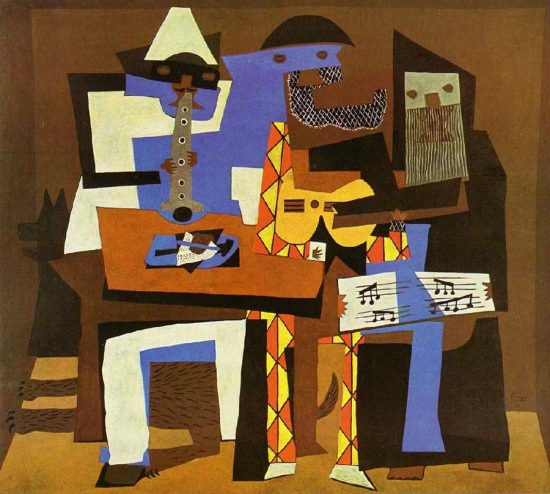
With his groundbreaking 1907 painting Les Demoiselles d’Avignon, Picasso, along with Georges Braque, developed a revolutionary style of modern art that was formed in response to the rapidly changing modern world: Cubism. He simplified and distorted figures and objects into geometric planes, often including elements of text and collage in his works.
Picasso enjoyed creating his art in many different artistic mediums throughout his life and, in due time, became a master in each medium.
From Picasso ceramics to paintings to lithographs, etchings, and linocuts, all of his works are a testament to his artistic skills. There are even hand signed Picasso prints that are worth more than unique original works.
For the authentication of Picasso oil paintings and works on canvas, the recognized authority is the Picasso Administration, representing the artist’s heirs and family. All formal expertise and certificates of authenticity are issued exclusively through this body. For submission guidelines, documentation requirements, and further information, you may contact them directly at their official site: https://www.picasso-authentification.fr/
Pablo Picasso Ceramics
Pablo Picasso’s ceramics represent one of the most inventive and collectible areas of his extraordinary career. Created in collaboration with the renowned Madoura Pottery workshop in Vallauris, France, these works transformed traditional plates, pitchers, vases, bowls, plaques and sculptural forms into original works of modern art.
Picasso began experimenting with ceramics after visiting Vallauris in 1946 and went on to develop hundreds of ceramic designs. Working with Suzanne and Georges Ramié and the craftsmen at Madoura, he explored clay, engraving, colored slips, oxides, glazes and unconventional forms with the same relentless experimentation that characterized his painting, sculpture and printmaking.
His ceramic works include both unique creations and authorized limited editions, many of which are documented in Alain Ramié’s catalogue raisonné of Picasso’s edited ceramics.
Today, original Picasso ceramics are collected internationally for their artistic importance, sculptural qualities, recognizable imagery and connection to one of the most inventive periods of Picasso’s later career.
Whether you are looking to buy a Picasso ceramic, identify an A.R. catalogue number, research Madoura marks and stamps, understand value or sell a Picasso ceramic, this guide brings together our principal resources for collectors.
Picasso Ceramics at a Glance
Ceramic Practice: Beginning in 1946
Edited Ceramic Works: 1947–1971
Primary Workshop: Madoura Pottery, Vallauris, France
Collaborators: Suzanne and Georges Ramié
Forms: Plates, bowls, pitchers, vases, plaques and sculptural ceramics
Techniques: Earthenware, colored slips, oxides, glazes, engraving and painted decoration
Catalogue Raisonné: Alain Ramié, Picasso: Catalogue of the Edited Ceramic Works 1947–1971
Common Subjects: Faces, owls, bulls, fish, goats, birds, fauns, mythology, bullfighting and Mediterranean imagery
Types: Unique ceramic works and authorized edition ceramics
Why Did Picasso Begin Making Ceramics?
Picasso discovered the Madoura pottery workshop in Vallauris during the summer of 1946. Although already one of the world’s most celebrated artists, he became fascinated by clay as a medium that allowed him to combine painting, drawing, sculpture and functional objects.
Plates became faces. Pitchers became birds and human figures. Vases could be transformed through painted decoration, engraving and alterations to their physical form.
Working with Madoura gave Picasso access to skilled ceramic craftsmen and the technical knowledge necessary to experiment with firing, glazing, colored slips and clay construction. What began as experimentation developed into an important artistic practice that occupied him for decades.
What Was Madoura Pottery’s Role in Picasso’s Ceramics??
Madoura Pottery in Vallauris became central to Picasso’s ceramic production.
Founded by Suzanne and Georges Ramié, the workshop provided Picasso with the materials, kilns and technical expertise required to turn his ceramic ideas into finished works. Picasso worked closely with the Ramiés and Madoura craftsmen, creating unique ceramics as well as models that could be produced in authorized editions.
This collaboration allowed Picasso’s ceramic imagery to reach a broader group of collectors while maintaining a direct connection to the artist’s original designs and the Madoura workshop.
Authentic Madoura edition ceramics may bear impressed or painted markings identifying their relationship to Picasso and the workshop. Understanding these marks is an important part of researching a Picasso ceramic.
Original Picasso Ceramics: Unique Works and Editions
Picasso’s ceramic output includes both unique, one-of-a-kind works and authorized ceramic editions produced at Madoura.
Unique Picasso ceramics were individually created or extensively worked by Picasso and exist as singular works.
Edition ceramics were produced in authorized quantities from original models created by Picasso. Working with Madoura, Picasso developed methods that allowed his designs to be reproduced while preserving the character of the original ceramic form.
These edition ceramics are not modern reproductions or decorative copies. Properly documented Madoura editions form part of Picasso’s recognized original ceramic oeuvre and are catalogued and collected internationally.
Edition size, technique, markings, condition, rarity and the individual ceramic all play important roles in determining desirability and value.
Identifying an original Picasso ceramic requires evaluating the work as a whole rather than relying on a single signature or stamp.
Important characteristics may include:
A.R. catalogue number — Many recognized edition ceramics are documented in Alain Ramié’s catalogue raisonné and identified by an A.R. reference number.
Madoura marks and stamps — Authentic editions may bear impressed or painted workshop markings such as Madoura Plein Feu, Empreinte Originale de Picasso or Edition Picasso.
Signature and inscriptions — Depending on the work, Picasso’s name or signature may be impressed, incised, painted or incorporated into workshop markings.
Dimensions and form — The ceramic should correspond with the documented measurements and physical characteristics of the recognized work.
Technique and materials — Clay body, glaze, decoration and production method should be consistent with the documented edition.
Provenance — Previous ownership, invoices, labels and other documentation can provide additional support for a work’s history.
No single mark should be considered definitive on its own. Catalogue documentation, markings, dimensions, technique, condition and provenance should be evaluated together when researching a Picasso ceramic.
Why Are Picasso Ceramics Valuable?
Picasso ceramics combine artistic importance, rarity and international collector demand with the craftsmanship of the Madoura Pottery workshop.
Value varies considerably depending on the individual ceramic. Important factors include subject matter, rarity, edition size, form, condition, provenance, markings and inclusion in the Alain Ramié catalogue raisonné. Unique works and rare editions can command substantial prices, while other authorized editions provide collectors with more accessible opportunities to own an original work conceived by Picasso.
Condition is particularly important. Chips, cracks, restoration, glaze loss and other issues may significantly affect desirability and market value.
Masterworks Fine Art offers a carefully curated selection of original Pablo Picasso ceramics, including plates, pitchers, vases, plaques, bowls and sculptural works created in collaboration with Madoura Pottery.
Our inventory includes both unique works and authorized edition ceramics across a range of subjects, forms and price levels. Individual works are researched using available catalogue raisonné information, markings, provenance and condition.
Whether you are purchasing your first Picasso ceramic or expanding an established collection, explore our current selection of original works available for acquisition.
Before purchasing a Picasso ceramic, collectors should confirm the work’s catalogue reference, edition information, markings, dimensions, condition and provenance.
Particular attention should be paid to the individual ceramic rather than simply the title or A.R. number. Examples from the same edition can differ in condition, glaze, surface characteristics and overall desirability.
Collectors should also understand whether the work is unique or editioned, examine any Madoura stamps or Picasso markings and request clear condition information before purchasing.
If you are considering selling a Picasso ceramic, authenticity, condition, rarity, provenance, edition size, Madoura markings and inclusion in the Alain Ramié catalogue raisonné can all influence desirability and market value.
Masterworks Fine Art has specialized in buying and selling museum-quality works by Pablo Picasso for more than 30 years. We work with collectors evaluating individual ceramics and established collections for potential sale or consignment.
Museum Collections Featuring Pablo Picasso Ceramics
Pablo Picasso ceramics are represented in major museum collections internationally, reinforcing their importance within modern art and twentieth-century ceramics.
Their presence in major public collections demonstrates that Picasso ceramics are recognized as an important part of the artist’s body of work rather than simply decorative pottery.
FAQ
Are Picasso ceramics originals?
Yes. Picasso’s ceramic oeuvre includes unique works as well as authorized edition ceramics produced at Madoura from his original models. Unique works exist as singular objects, while edition ceramics were produced in limited quantities through Picasso’s collaboration with the workshop. Properly documented Madoura editions are recognized and collected as original Picasso ceramic works rather than later decorative reproductions.
How many Picasso ceramic models exist?
Picasso created more than 600 ceramic designs during his collaboration with Madoura Pottery. These include plates, pitchers, bowls, vases, plaques and sculptural forms, many of which were issued as authorized editions and documented in Alain Ramié’s catalogue raisonné.
What is Madoura Pottery?
Madoura was the ceramic workshop in Vallauris, France, operated by Suzanne and Georges Ramié where Picasso developed much of his ceramic work. The workshop provided the materials, kilns and technical expertise that allowed Picasso to experiment extensively with clay and produce both unique works and authorized editions.
Are Picasso ceramics signed?
Many Picasso ceramics bear signatures, inscriptions or workshop markings, but these vary by work and edition. Examples may include impressed, incised or painted signatures as well as Madoura and Edition Picasso stamps. No single signature or stamp should be relied upon alone when evaluating authenticity.
Why are Picasso ceramics valuable?
Value depends on factors including subject matter, rarity, edition size, condition, provenance, markings and catalogue documentation. Picasso’s artistic importance, international collector demand and the representation of his ceramics in major museum collections also contribute to the strength of the market.
Continue Your Pablo Picasso Ceramics Research
Whether you are researching, buying, valuing or selling a Picasso ceramic, these specialist guides provide additional information about Picasso’s ceramic works and the market.
Picasso Ceramics Market Trends
Explore the Picasso ceramics market, including current collector demand, pricing trends and recent auction results for original and editioned works.
Discover how Picasso created his ceramics at Madoura Pottery, including the techniques, materials and processes used to produce his unique works and authorized editions.
Discover why Vallauris became central to Picasso’s later career and how his years there influenced his ceramics, linocuts and artistic experimentation.
Discover the history of Madoura Pottery, Suzanne and Georges Ramié, and the workshop’s important role in creating Picasso’s unique and editioned ceramics.
Explore original Pablo Picasso ceramics for sale, including unique works and authorized Madoura editions documented in the Alain Ramié catalogue raisonné.