Details
| Artist: | Andy Warhol (1928 - 1987) |
|---|---|
| Title: | Uncle Sam, 1981 from Myths, 1981 |
| Reference: | FS II.259 |
| Series: | Myths Series, 1981 |
| Medium: | Screenprint on Lenox Museum Board with diamond dust |
| Image Size: | 38 in x 38 in (96.5 cm x 96.5 cm) |
| Sheet Size: | 38 in x 38 in (96.5 cm x 96.5 cm) |
| Edition: | Numbered from the edition of 200 in pencil in the lower right (aside from the editions of 30 Artist’s Proofs, 5 Printer’s Proofs, 5 Exhibition Proofs, and 30 trial proofs); printed by Rupert Jasen Smith, New York and published by Ronald Feldman Fine Arts, Inc., New York. |
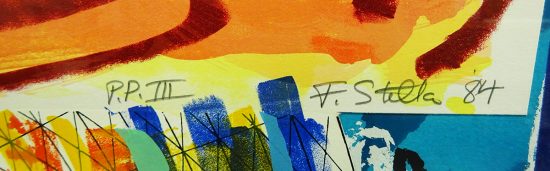
| Signature: | This work is hand signed by Andy Warhol (Pennsylvania, 1928 - New York, 1987) in pencil in the lower right. |
| Item # | W-5998 |
Selling
If you are looking for where to sell Andy Warhol Myths Series, 1981 original works, we are interested in buying from collections of private sellers. As seasoned fine art dealers of 30+ years, we will research the current value and guide you in our simple online selling process.
-
Step 1:
Send Photos -
Step 2:
Receive Offer -
Step 3:
Get Paid
Historical Description
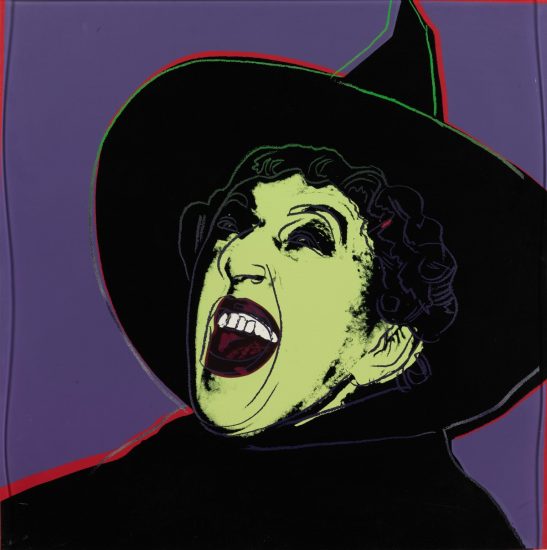
Andy Warhol Uncle Sam, 1981 from Myths, 1981 shows a portrait of Uncle Sam, American figure. He is placed against a muted tan background. All of the other color in the portrait comes from the shades of red and blue that outline Uncle Sam’s features and that create the stars and stripes on his hat. This coloration is clearly fitting due to the history of Uncle Sam himself. This screenprint was created as part of the Myths series – a series that examines mythical figures, sometimes heroes, of the American past. The iconic figures represent different aspects of American history, but it is also widely accepted that each print also ties into Warhol’s life and personality in some way. In this sense, his highly recognizable characters and portrayals take on a more personal meaning.
Created in 1981, this screenprint on Lenox Museum Board with diamond dust is hand signed by Andy Warhol (Pennsylvania, 1928 - New York, 1987) in pencil in the lower right and numbered from the edition of 200 in pencil in the lower right (aside from the editions of 30 Artist’s Proofs, 5 Printer’s Proofs, 5 Exhibition Proofs, and 30 trial proofs); printed by Rupert Jasen Smith, New York and published by Ronald Feldman Fine Arts, Inc., New York.
Andy Warhol Myths 1981:
During the 1980s, Warhol embraced the notion of art as a commodity, exploring the intersections between art, commerce, and popular culture. He was intrigued by the influence of mass media and the proliferation of celebrity culture, which led him to create artworks that celebrated and critiqued these phenomena simultaneously. The "Myth" series was an embodiment of this exploration, as Warhol delved into the realm of iconic figures, employing techniques that captured the essence of celebrity and consumerism.
Warhol's approach to art was inherently influenced by his background in commercial illustration and advertising. He understood the power of visual communication and the importance of capturing attention in a crowded marketplace. In this sense, his art incorporated elements that could be interpreted as salesy, aiming to attract viewers and provoke a response. The bold and recognizable imagery of the "Myth" series, featuring iconic figures such as Superman, Mickey Mouse, and Santa Claus, tapped into the collective consciousness and immediate recognition associated with these cultural symbols.
Warhol's intention in creating the "Myth" series was multi-faceted. On one hand, it can be interpreted as a commentary on the pervasive influence of consumer culture and the idolization of celebrities. By depicting these iconic figures repeatedly, Warhol highlighted the ways in which popular icons are perpetuated and mythologized in society, thereby questioning the authenticity and manufactured nature of fame.
On the other hand, the "Myth" series also functioned as a reflection of Warhol's own position within the art market. By creating highly recognizable and marketable works, he was able to capitalize on the allure of celebrity culture and consumer demand. This approach, which can be seen as salesy, aligned with Warhol's understanding of the art market and the need for artists to navigate the commercial aspects of the art world.
Catalogue Raisonné & COA:
Andy Warhol Uncle Sam, 1981 from Myths, 1981 is fully documented and referenced in the below catalogue raisonnés and texts (copies will be enclosed as added documentation with the invoices that will accompany the sale of the work).
1. Feldman, Frayda and Jörg Schellmann. Andy Warhol Prints, A Catalogue Raisonné: 4th ed., 1989. Listed and illustrated as catalogue raisonné II.259
2. A Certificate of Authenticity will accompany this artwork.
About the Framing:
Framed to museum-grade, conservation standards Andy Warhol Uncle Sam, 1981 from Myths, 1981 is presented in a complementary moulding and finished with silk-wrapped mats and optical grade Plexiglas.
About the Series: Myths Series, 1981
The series of ten screenprints is a nostalgic representations of America’s enchanted past. From the vibrant coloring to the icons’ dramatic expressions, each screen print reflects American glamour and theatricality. Browse Andy Warhol, Myths Series, 1981.
Andy Warhol (1928 - 1987)
Andy Warhol turned soup cans into icons and celebrity portraits into some of the most recognizable images in modern art. From his early career as a commercial illustrator to his groundbreaking paintings and screen prints, he changed how we see fame, consumer culture, and everyday life. Explore the life, art, and lasting influence of the artist who helped define Pop Art.
Artwork Subject Matter
Andy WarholUncle Sam, 1981 from Myths, 1981 |
|
| Screenprint on Lenox Museum Board with diamond dust | |
| from the edition of 200 in pencil in the lower right (aside from the editions of 30 Artist’s Proofs, 5 Printer’s Proofs, 5 Exhibition Proofs, and 30 trial proofs); printed by Rupert Jasen Smith, New York and published by Ronald Feldman Fine Arts, Inc., New York. | |
| hand signed by Andy Warhol (Pennsylvania, 1928 - New York, 1987) in pencil in the lower right. | |
|
Sold
Get notified of similar works
|
|
|
|
|