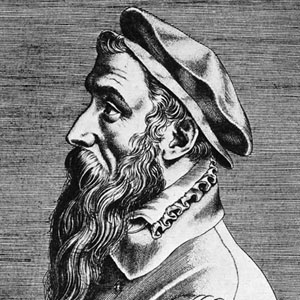
van Dyck Engraving | Hubertus Vanden Eynden (Hubert Van den Eynden), c. 1645
Signed original prints, drawings, paintings, and sculptures for sale

van Dyck, Anthony, Hubertus Vanden Eynden (Hubert Van den Eynden), c. 1645


Anthony van Dyck, Engraving, Hubertus Vanden Eynden (Hubert Van den Eynden), c. 1645

van Dyck Engraving Signed, Hubertus Vanden Eynden (Hubert Van den Eynden), c. 1645

Place your cursor over the thumbnails below to view the full-size image:

van Dyck Engraving Signed, Hubertus Vanden Eynden (Hubert Van den Eynden), c. 1645 (thumbnail 1) van Dyck Engraving Signed, Hubertus Vanden Eynden (Hubert Van den Eynden), c. 1645 (thumbnail 2)

Click each room to better visualize its scale and beauty in different contexts.:


 (thumbnail room-view)
 (thumbnail room-view)
 (thumbnail room-view)
 (thumbnail room-view)
Artist: van Dyck, Anthony (1599 - 1641)
Title: Hubertus Vanden Eynden (Hubert Van den Eynden), c. 1645
Medium:
Original Engraving
Image Size: 8 7/8 in x 6 in (22.5 cm x 15.2 cm)
Sheet Size: 9 in x 6 1/4 in (22.9 cm x 15.9 cm)
Framed Size: approx. 23 in x 20 in (58.4 cm x 50.8 cm)
Signed: Signed in the plate 'Ant. van Dyck pinxit', in the lower left; also signed "Vorsterman fculp" in the lower left.
Edition: A Mauquoy-Hendrickx State VII (of VII), engraved by Lucas Vorsterman (Zaltbommel, 1595 - Antwerp, 1675) in collaboration with Anthony van Dyck (Antwerp, 1559 - London, 1641); printed on a fine paper with a partial unidentified watermark.
Condition: This work is in very good condition; slight tape remnants on verso.
Super Price 
$4,000
Item# 3705
  Submit Best Offer Purchase Now

Part of Van Dyck's "Iconographie" series, this portrait truly captures the essence of its subject. As a sculptor, Van den Eynden appears in profile, standing tall as he casually rests his right arm upon a sculpted face.


Read more about our pricing
Gallery Price: This is a common gallery retail price
Read more about our pricing
 

Request Invitation:

We have openings for a few new members each day. Members receive exclusive offers on our entire inventory.

Historical Description:
A wonderfully detailed and charismatic portrait, this exquisite work illustrates the technical mastery and artistic vision of Van Dyck. Van den Eyden's stately, yet approachable expression reflects Van Dyck's refined ability to comfort and relax his subjects, resulting in a realistic and acute portrait. As a sculptor of Antwerp, Van den Eyden appears with his work in the form of a sculpted face resting casually beneath his right arm. Van Dyck depicts his subject in nearly full profile, calmly gazing off into the distance. Van den Eyden appears both proud and noble as he stands tall in a simple garb. One must note Van den Eyden's profession upon viewing this work, for taken out of context, the human face in the lower left corner could appear as a live being, pushed down by the weight of Van den Eyden's arm.

This portrait is a Mauquoy-Hendrickx State VII (of VII), engraved by Lucas Vorsterman (Zaltbommel, 1595 - Antwerp, 1675) in collaboration with Anthony van Dyck (Antwerp, 1559 - London, 1641) as part of his Iconographie series of engraved portraits of famous people at the time. The plate has been marked in the lower left of the plate "Ant. Van Dyck pinxit," and beneath that "Vorsterman fculp" and in the lower right of the plate "Cum privilegio." Beneath the engraved portrait is the inscription: HVBERTVS VANDEN EYNDEN | STATVARIVS ANTVERPIÆ. This piece is printed on fine paper with a partial unidentified watermark.

DOCUMENTED AND ILLUSTRATED IN:

1) Mauquoy-Hendrickx. L'Iconographie d'Antoine Van Dyck: Catalogue Raisonne I. Bruxelles: Bibliotheque Royale Albert I, 1991. Listed as catalogue no. 80 on pg. 152.
2) Mauquoy-Hendrickx. L'Iconographie d'Antoine Van Dyck: Catalogue Raisonne II. Bruxelles: Bibliotheque Royale Albert I, 1991. Illustrated as catalogue no. 80 on pg. 51.

ABOUT THE FRAMING:
Framed to archival museum grade conservation standards, this piece is framed in a complementary moulding with silk mats and optical grade Plexiglas.


About Us: Masterworks Fine Art strives to be the best source of fine art for our clients and collectors all over the world. We believe the most direct way to accomplish this is by establishing a lifetime of personal and professional relationships with our clients. More About Us »

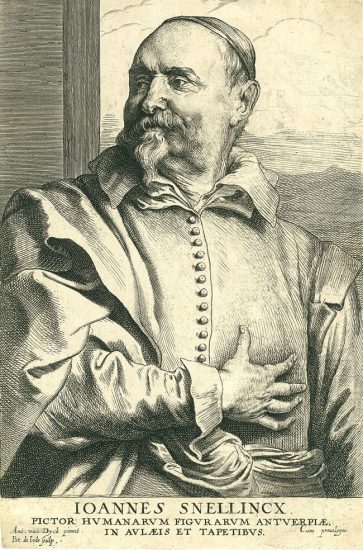
  • van Dyck, Joannes Snellincx (Jean Snellinx), c. 1641
  • van Dyck, Simon Vouet, c. 1645
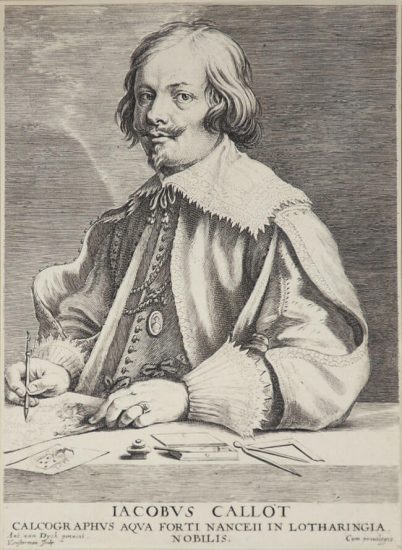
  • van Dyck, Jacobus Callot (Jacques Callot), c. late 1600s-early 1700s
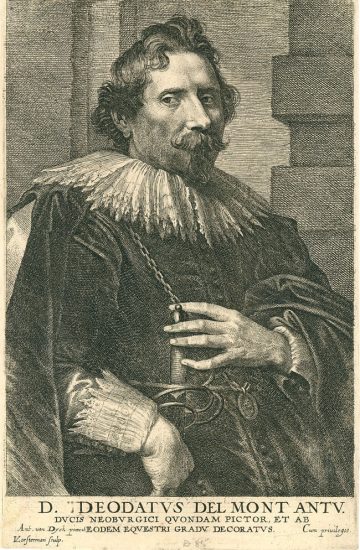
  • van Dyck, Deodatus Delmont (Déodat Delmont), c. early 1700s
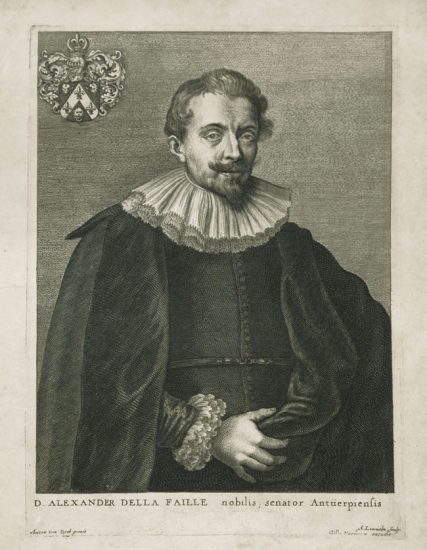
  • van Dyck, Alexander Della Faille, c. early 1700s
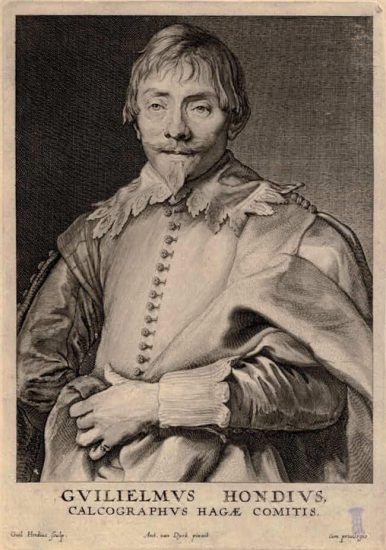
  • van Dyck,  Guilielmus Hondius (Guillaume Hondius), c. early 1700s
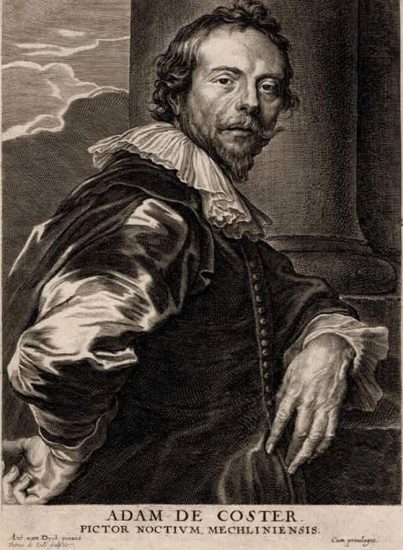
  • van Dyck, Adam de Coster, c. 1685
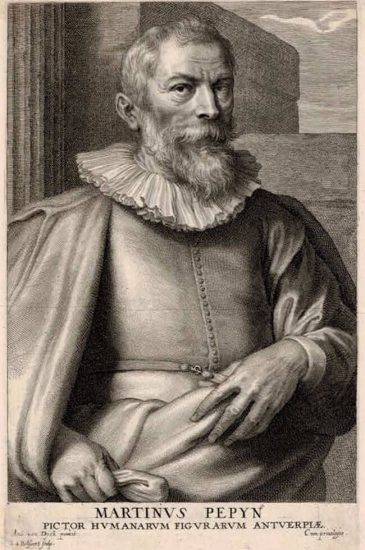
  • van Dyck, Martinus Pepyn (Martin Pepyn), c. 1675-1690
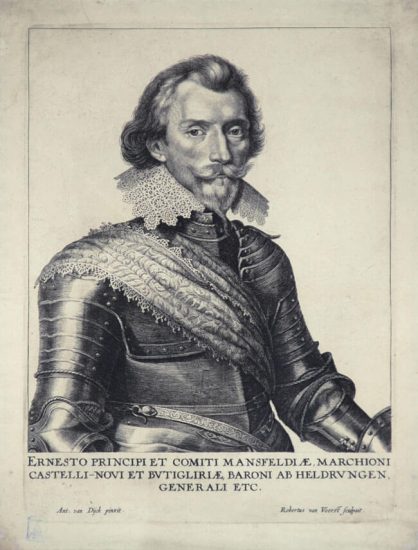
  • van Dyck, Ernest de Mansfeld, c. 1654
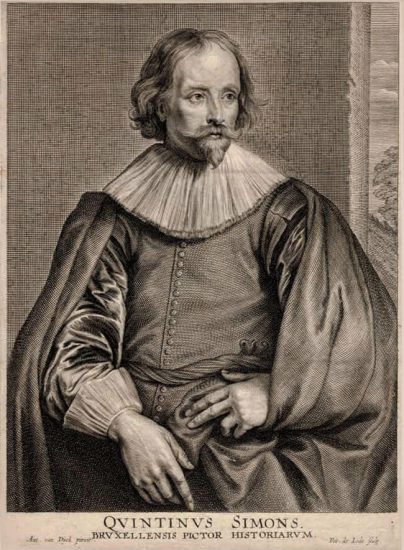
  • van Dyck, Quintinus Simons (Quentin Simons), c. 1675
  • van Dyck, Daniel Mytens, c. 1675
  • van Dyck, Robertus Van Voerst (Robert Van Voerst), c. 1675
  • van Dyck, Theodorus Rombouts (Théodore Rombouts), early 1700s
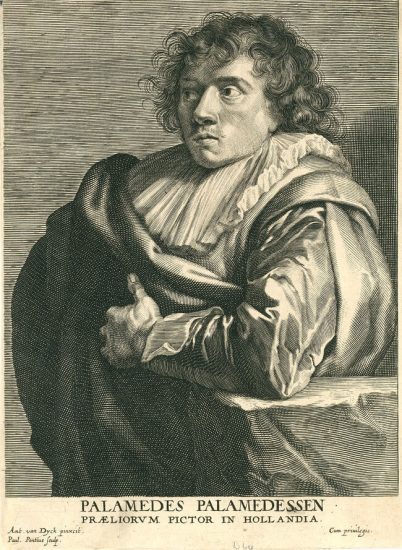
  • van Dyck, Palamedes Palamedesz, c. early 1700s
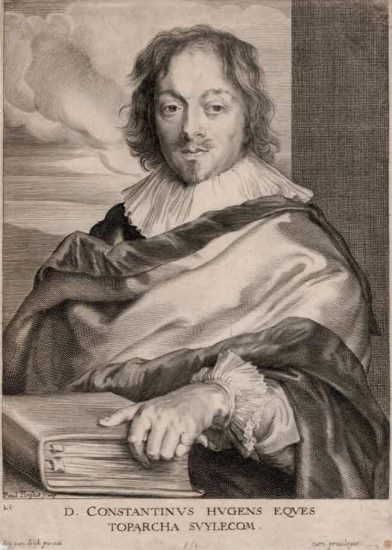
  • van Dyck, Constantin Huygens, c. 1675
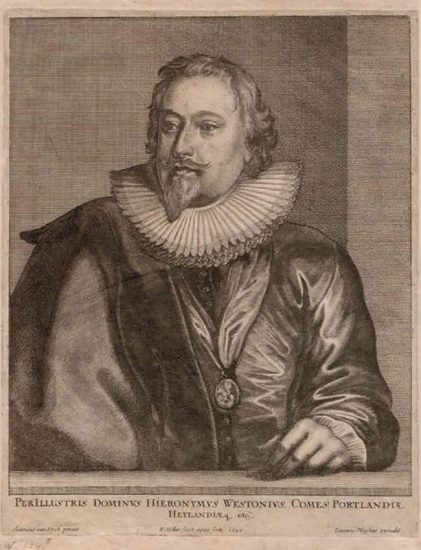
  • van Dyck, Richard Weston, 1st Earl of Portland, c. 1675
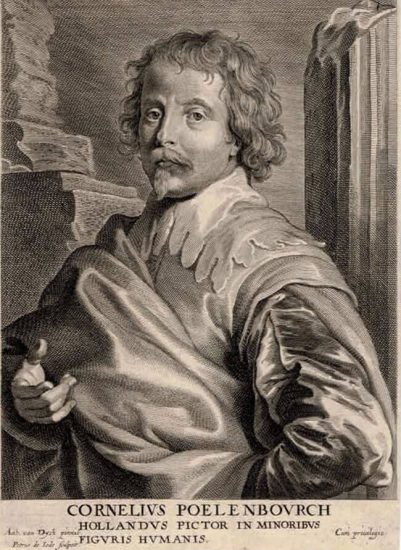
  • van Dyck,  Cornelius Poelenbourch (Corneille Van Poelenburg), c. 1660 - 1670
  • van Dyck, Ambroise Spinola, c. 1660
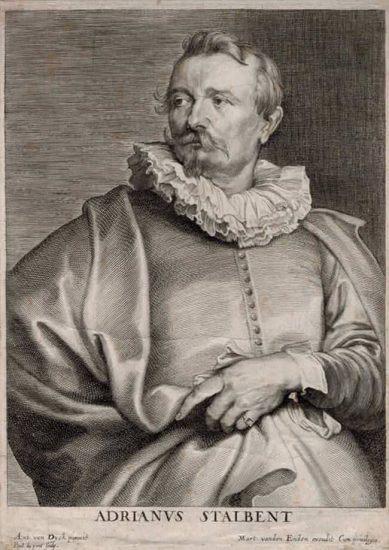
  • van Dyck, Adrianus Stalbent (Adrien Van Stalbemt), c. 1641
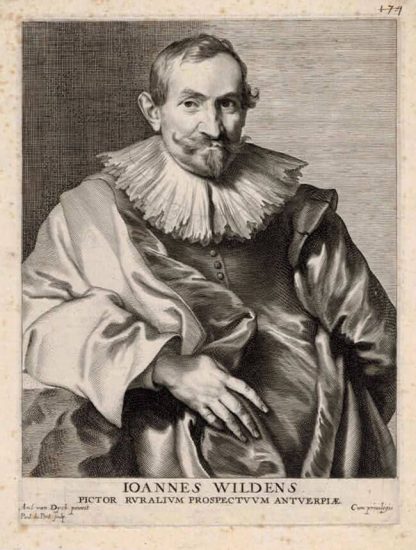
  • van Dyck, Joannes Wildens (Jean Wildens), c. 1660
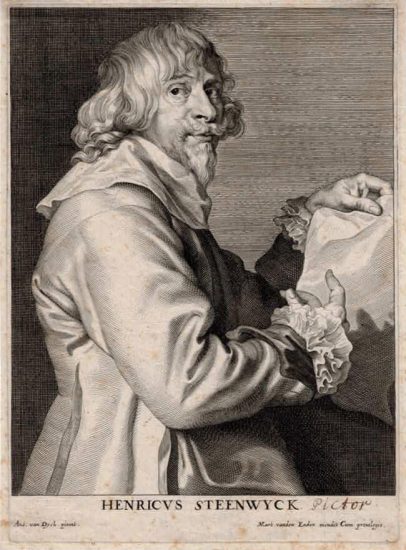
  • van Dyck, Henricus Steenwyck (Henri Van Steenwyck), c. 1641
  • van Dyck, Theodorus Galle (Théodore Galle), c. 1641
  • van Dyck, Théodore Van Tulden, c. late 1600s - early 1700s
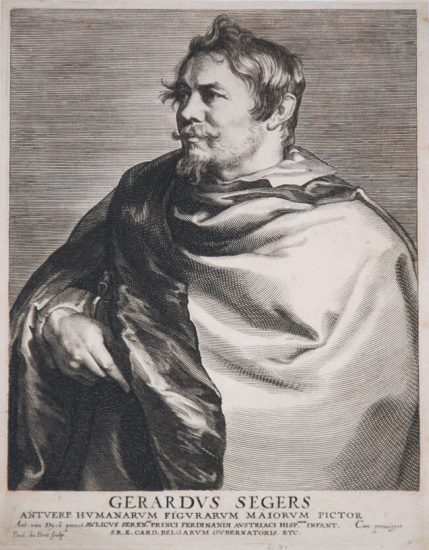
  • van Dyck, Gerardus Segers (Gérard Seghers), c. 1680-1690
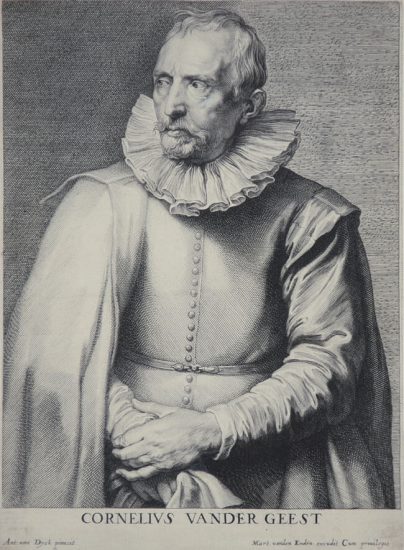
  • van Dyck, Cornelius Vander Geest (Corneille Van der Geest), c. 1641
  • van Dyck, Alvaro de Bazan, c. 1645
  • van Dyck, Jacobus Jordaens (Jacques Jordaens) c. 1675 - 1685
  • van Dyck, Joannes Van Mildert (Jean Van Mildert), c. 1675
  • van Dyck, Jean Waverius (Jean Van Den Wouwer), c. 1665 - 1675
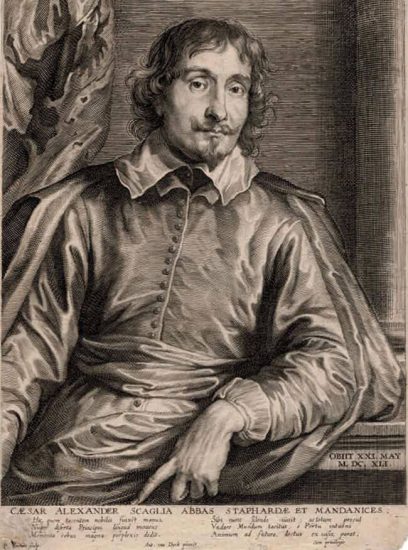
  • van Dyck, Cesar Alexander Scaglia (César-Alexandre Scaglia), c. 1654
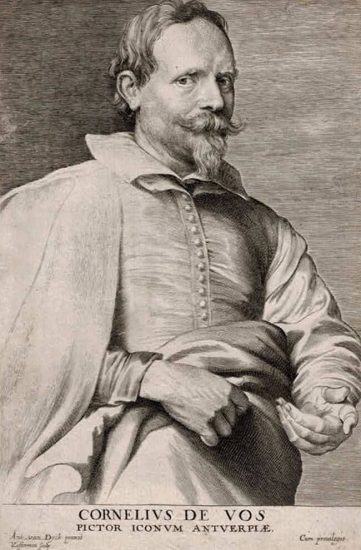
  • van Dyck, Cornelius de Vos (Corneille de Vos), c. 1645 - 1650
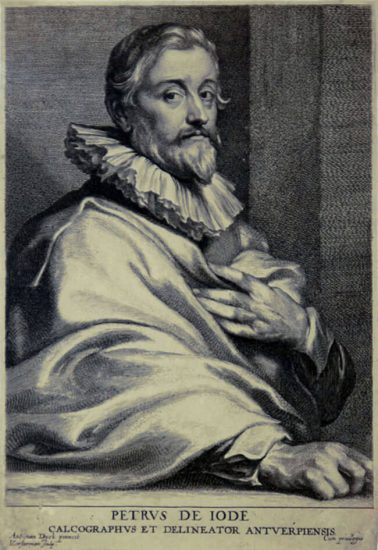
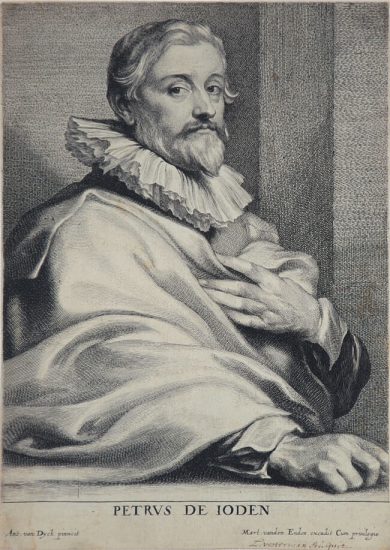
  • van Dyck, Petrus de Iode, c. 1645
  • van Dyck, Antonis Cornelissen (Antoine Cornelissen), c. 1641
  • van Dyck, Theodorus Vanlonius (Théodore Vanloon), c. 1680-1690
  • van Dyck, Wenceslas Coeberger, c. 1675-1690
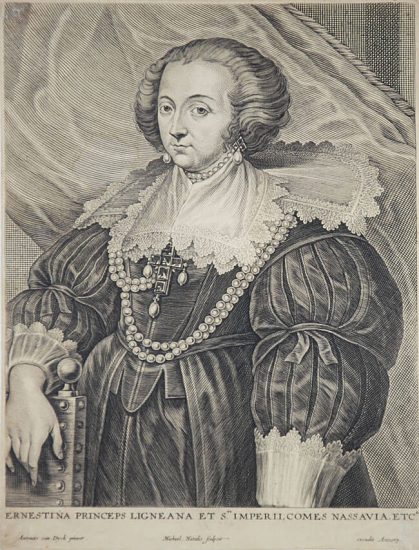
  • van Dyck, Ernestine, Princess de Ligne, c. 1645
  • van Dyck, Sebastianus Vrancx (Sébastien Vrancx), c. 1645
  • van Dyck, Jacobus de Cachopin (Jacques de Cachiopin), c. 1645-1650
  • van Dyck, Joannes Livens (Jean Lievens), c. late 1600s-early 1700s
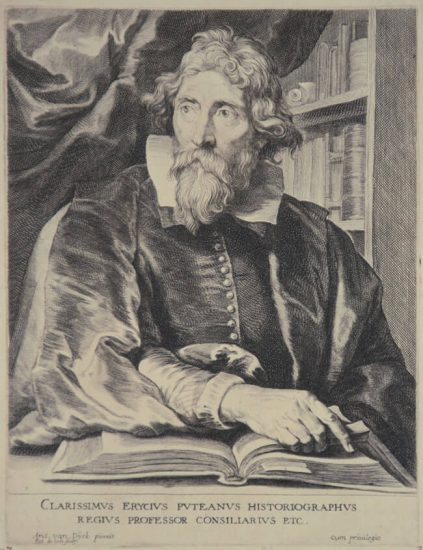
  • van Dyck, Eerryk De Putte dit Erycius Puteanus, c. 1675
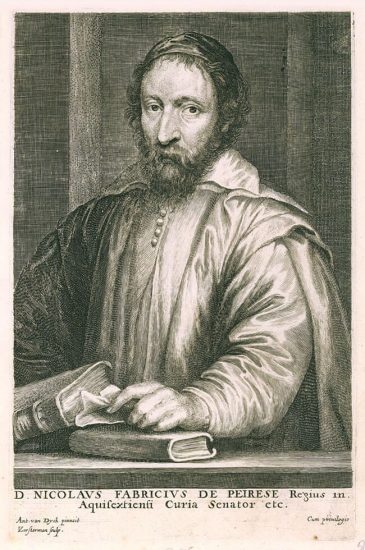
  • van Dyck, D. Nicolaus Fabricius de Peirese (Nicolas-Claude Fabri de Peiresc), c. early 1700s
  • van Dyck, Simon de Vos, c. 1641
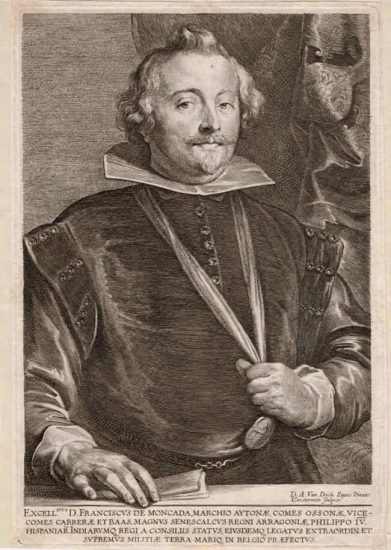
  • van Dyck, Francisco de Moncada, c. 1641
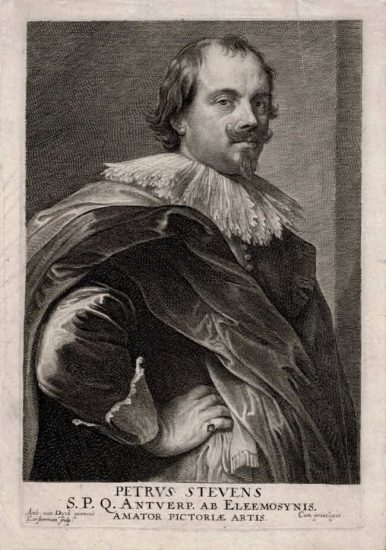
  • van Dyck,  Petrus Stevens (Pierre Stevens), c. 1645
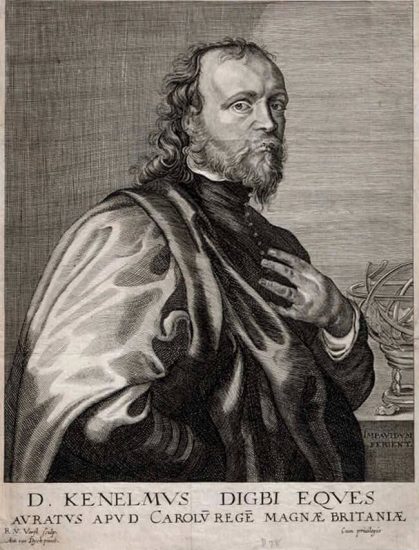
  • van Dyck, D. Kenelmus Digbi Eqves (Kenelm Digby), c. 1645
  • van Dyck, Thomas Willeborts Bosschaert, c. 1645 <br>
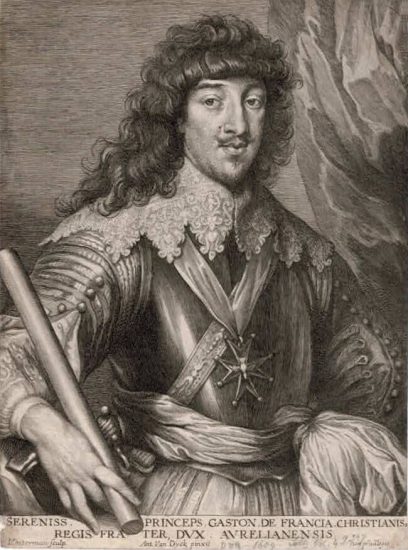
  • van Dyck, Gaston de France, Duke of Orléans, c. 1675
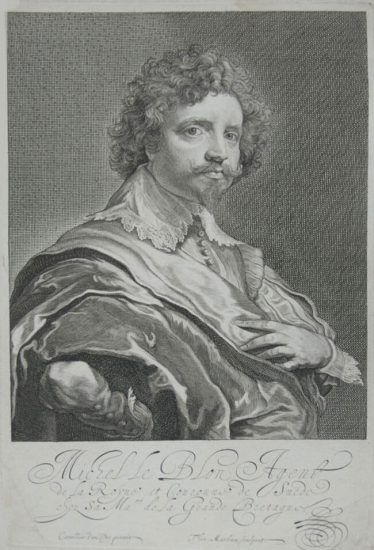
  • van Dyck, Michel Le Blon, c. 1645
  • van Dyck, Isabelle-Claire-Eugénie, c. 1645
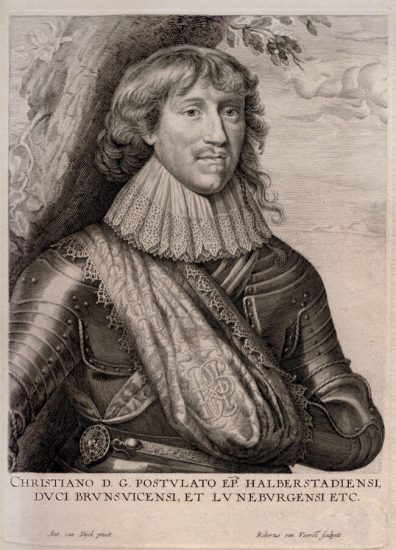
  • van Dyck, Christian, Duke of Brunswick and Lüneburg, c. 1645
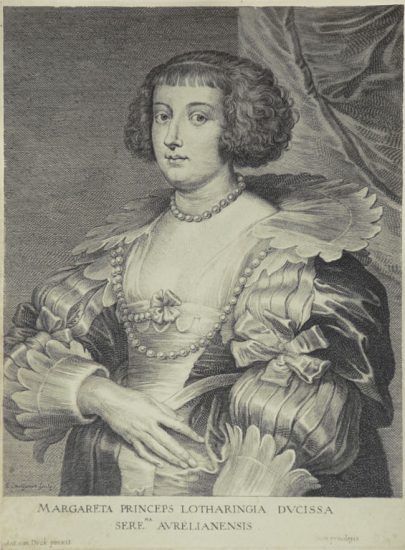
  • van Dyck, Margareta Princeps Lotharingia Ducissa (Marguerite de Lorraine), c. 1645
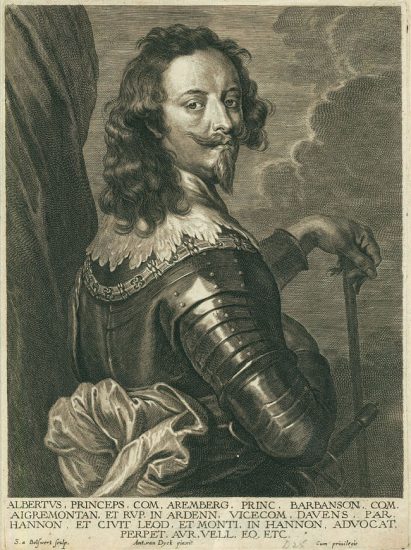
  • van Dyck, Albert de Ligne Arenberg, c. early 1700s
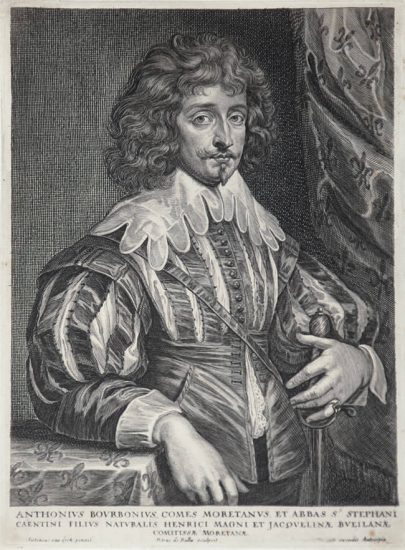
  • van Dyck, Antonius Bourbonius (Antoine de Bourbon), c. 1645
  • van Dyck, Paul Pontius (Paulus Pontius), c. 1645
  • van Dyck,  Andreas Van Ertvelt (André Van Eertvelt)
  • van Dyck,  Thomas Francois de Savoie, Prince de Carignan (Thomas Francis, Prince of Carignano), c. 1645
  • van Dyck, D. Petrus Paulus Rubbens Eques (Pierre-Paul Rubens), c. 1641
  • van Dyck, Ioannes Baptista Barbe (Jean-Baptiste Barbé), c. 1641
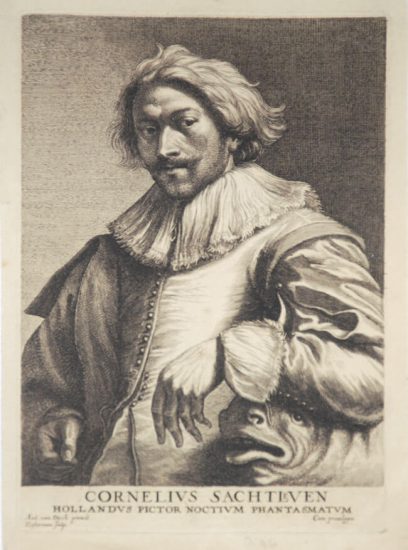
  • van Dyck, Cornelius Satchleven (Corneille Saftleven), c. 1641
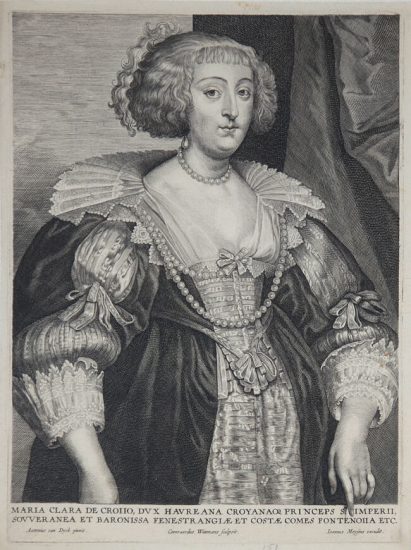
  • van Dyck, Maria Clara de Croiio (Marie-Claire de Croy), c. 1645
  • van Dyck, Diego Felipe de Guzman, c. 1641
  • van Dyck, Hubertus Vanden Eynden (Hubert Van den Eynden), c. 1645

Do you own a similar van Dyck to sell? We offer free evaluations.

Biography of Anthony van Dyck

Sir Anthony van Dyck was a Flemish painter who was one of the most important and prolific portraitists of the 17th century. He is also considered to be one of the most brilliant colorists in the history of art.

Van Dyck was born on March 22, 1599, in Antwerp, son of a rich silk merchant, and his precocious artistic talent was already obvious at age 11, when he was apprenticed to the Flemish historical painter Hendrik van Balen. He was admitted to the Antwerp guild of painters in 1618, before his 19th birthday. He spent the next two years as a member of the workshop of the Flemish painter Peter Paul Rubens in Antwerp. Van Dyck's work during this period is in the lush, exuberant style of Rubens, and several paintings attributed to Rubens have since been ascribed to van Dyck.

From 1620 to 1627 van Dyck traveled in Italy, where he was in great demand as a portraitist and where he developed his maturing style. He toned down the Flemish robustness of his early work to concentrate on a more dignified, elegant manner. In his portraits of Italian aristocrats—men on prancing horses, ladies in black gowns—he created idealized figures with proud, erect stances, slender figures, and the famous expressive “van Dyck” hands. Influenced by the great Venetian painters Titian, Paolo Veronese, and Giovanni Bellini, he adopted colors of great richness and jewel-like purity. No other painter of the age surpassed van Dyck at portraying the shimmering whites of satin, the smooth blues of silk, or the rich crimsons of velvet. He was the quintessential painter of aristocracy, and was particularly successful in Genoa. There he showed himself capable of creating brilliantly accurate likenesses of his subjects, while he also developed a repertoire of portrait types that served him well in his later work at the court of Charles I of England.

Back in Antwerp from 1627 to 1632, van Dyck worked as a portraitist and a painter of church pictures. In 1632 he settled in London as chief court painter to King Charles I, who knighted him shortly after his arrival. Van Dyck painted most of the English aristocracy of the time, and his style became lighter and more luminous, with thinner paint and more sparkling highlights in gold and silver. At the same time, his portraits occasionally showed a certain hastiness or superficiality as he hurried to satisfy his flood of commissions. In 1635 van Dyck painted his masterpiece, Charles I in Hunting Dress (Louvre, Paris), a standing figure emphasizing the haughty grace of the monarch.

Van Dyck was one of the most influential 17th-century painters. He set a new style for Flemish art and founded the English school of painting; the portraitists Sir Joshua Reynolds and Thomas Gainsborough of that school were his artistic heirs. He died in London on December 9, 1641.

van Dyck Engraving Signed, Hubertus Vanden Eynden (Hubert Van den Eynden), c. 1645